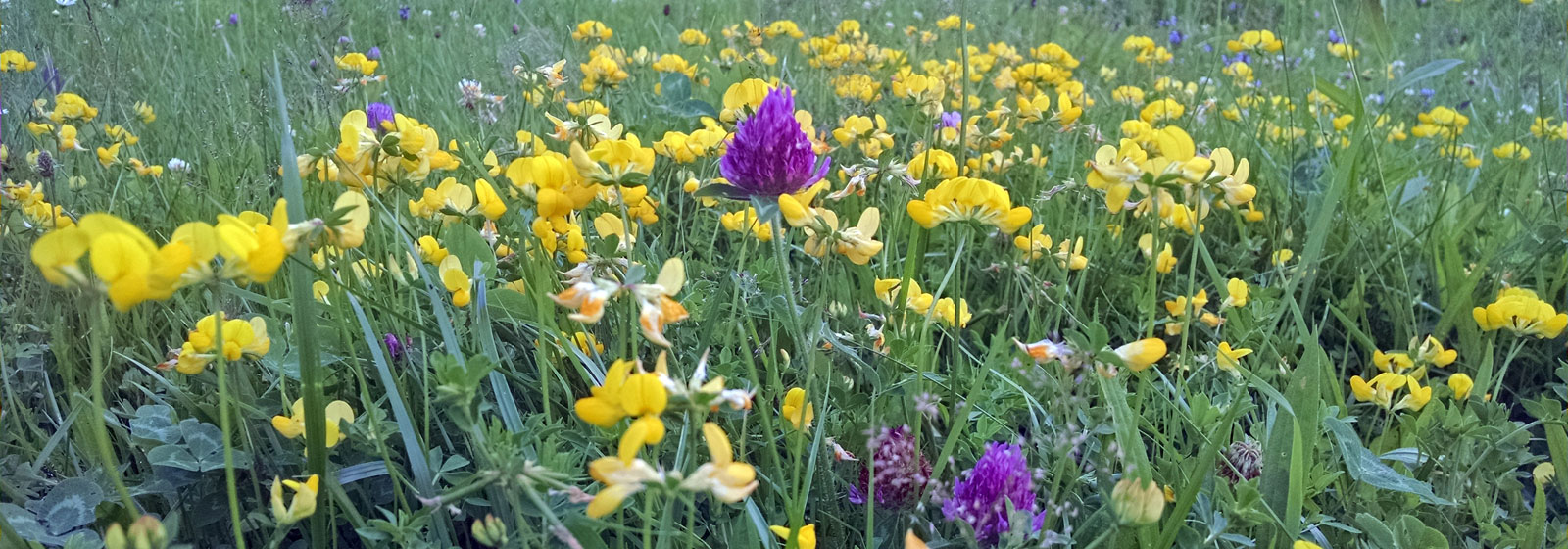
Consultations
Consultations are initial visits to a home, garden or landscape. I meet with the owner, we walk the property, discuss the project and I take lots of photos so I can follow up the site visit with a written document outlining ideas and offering example and inspirational garden photos. Often times, a consultation is enough however, depending on project scope, scale and complexity – a formal landscape plan might be necessary. Consultations are $160 plus tax.
Formal Landscape Plans/Plant List
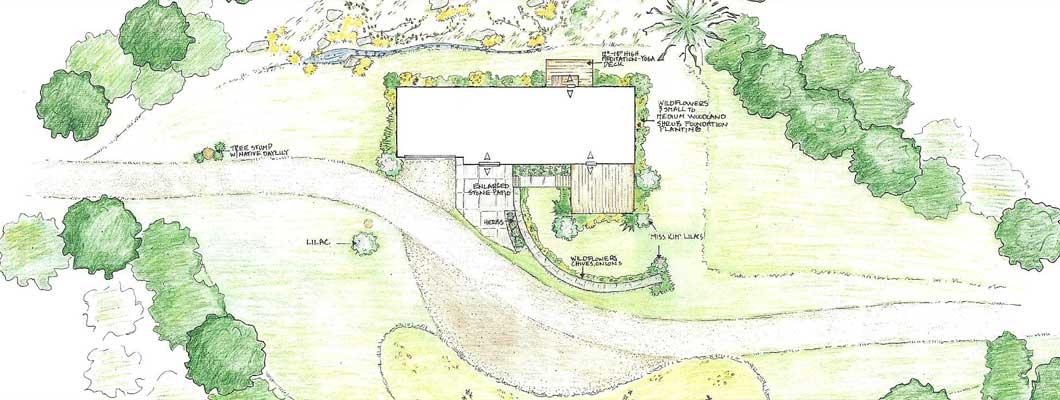
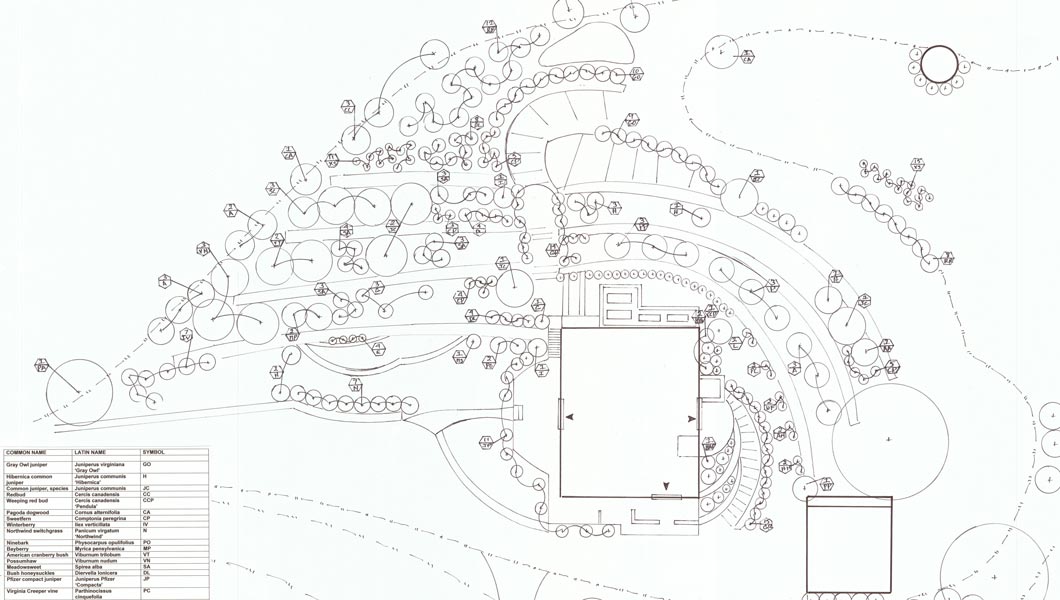
Formal landscape plans and plant lists/planting plans are needed for large projects/gardens or for a landscape with several program requirements. At the time of the initial consultation, additional design time is calculated for a design fee and presented in the written recap. Formal plans can take from a couple of weeks to a couple of months, depending on time of year (winter is a great time for design work) and scope of work. Visuals include a scaled landscape plan, plant list and any other accompanying graphics as well as installation estimates.
Planting Plans for Landscape Architects/Contractors
When a specialized planting plan is required, I collaborate with landscape architects and other landscape professionals. Together, we assess the site and program requirements. I then provide a detailed planting plan and plant list to support the larger landscape and hardscape design. At the time of installation, I am onsite to place and fine tune the plantings and answer any planting questions from the landscape contractor, architect and/or homeowner.
Types of garden projects
Meadow Gardens

Where is the most obvious place for a meadow garden? The area currently planted with lawn, or that hardpan area at a construction site. (See Construction Remediation above). Perfect green lawns require staggering amounts of fertilizers, weed killers, and insecticides — chemicals often poisoning our environments and typically abused by untrained amateurs otherwise known as homeowners. Insecticides kill the good bugs along with the bad, fertilizers are dissolved salts and fungicides contain heavy metals. Enter the meadow garden, at base a grassland punctuated with blooming, nectar laden flowering perennials and other broadleaf plants. In Meadows By Design, John Greenlee describes a meadow as “a symphony of color, lights and texture.” A meadow garden is its own living, ecologically-balanced environment composed of ornamental plants and grasses that suit the site conditions.
Gardens for Wildlife and Pollinators
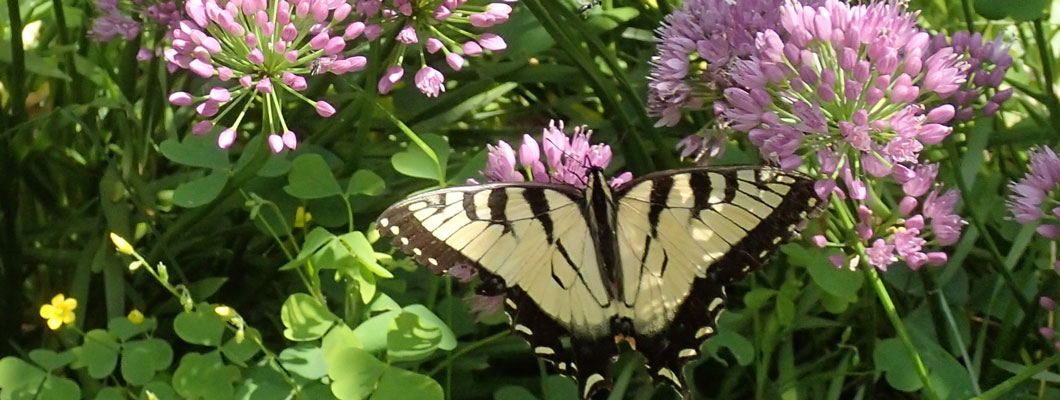
I often receive requests for gardens to attract and sustain birds. Both the diets and nesting sites of birds vary. Some nest in canopy trees while others are ground nesters, preferring the shelter of clump forming native grasses and shrubs. Non-migratory birds require winter shelter in the form of needled evergreens. So, creating a habitat for birds is best accomplished with a multi-faceted approach of providing food in the form of insects and berries and shelter via evergreens, understory trees and meadow areas including clump forming ornamental and native grasses. Native plant materials offer the best possible environment for birds, pollinators and other critters of a healthy ecological system.
Construction Remediation
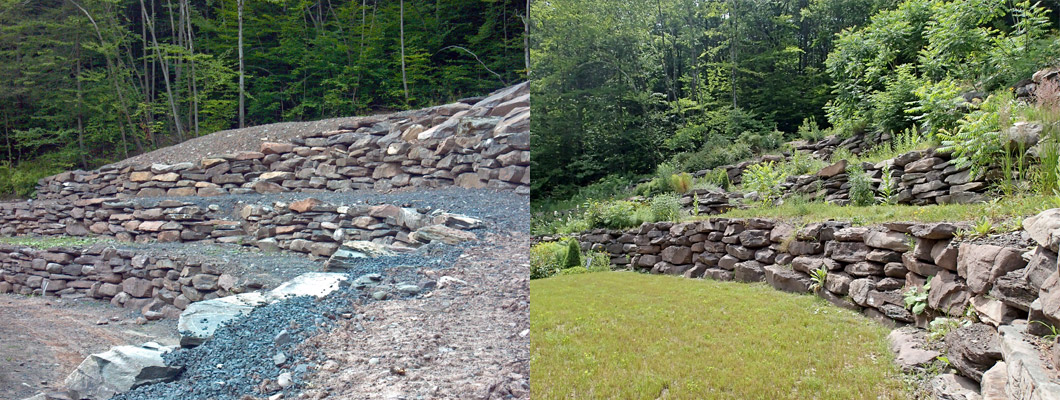
The landscape after a new home construction or remodeling/addition building is often compacted hardpan in which only hardiest of weeds volunteer. In actuality, a bare site fresh off construction is prime for creating a meadow garden of native, hardy and adaptable wildflowers and grasses. Post construction, immediately covering bare earth with meadow plants prevents unwanted weeds and woody volunteers from entering the landscape and prevents erosion. Depending on your budget, we use premium seed mixes from specialty nurseries or plant plugs for a full, more immediate effect. The benefits of a wildflower swath or meadow plantings over formal gardens is lower long term maintenance with less fuel inputs and zero toxic poisons typically required for the traditional turf lawn. Meadow gardens always provide shelter and food sources for pollinators and birds in the form of native wildflowers, perennials and grasses. Typically, meadow gardens require mowing once per year.